
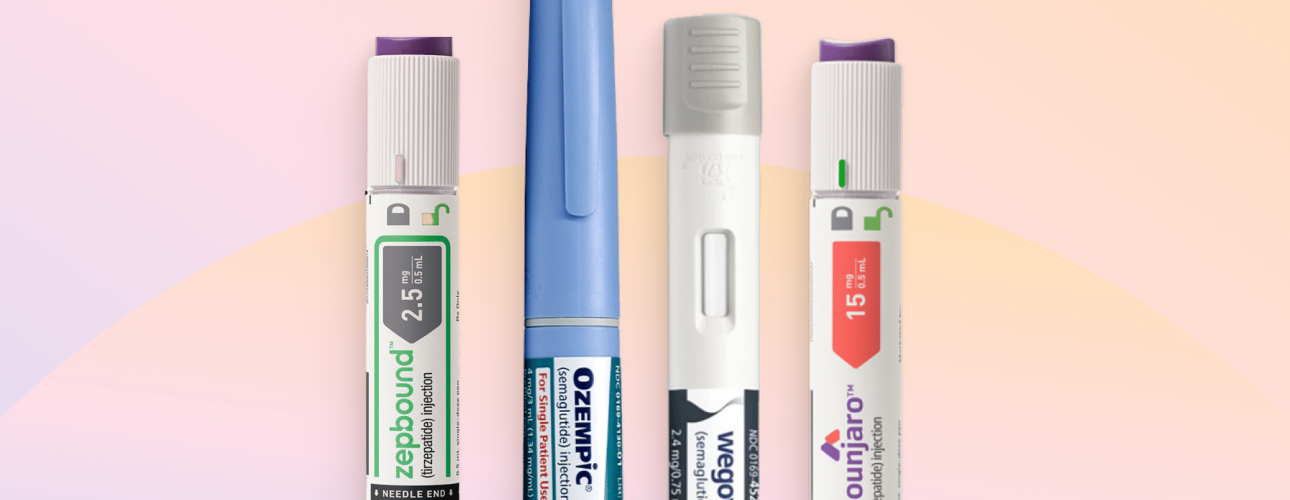
Over the past several years, few medical advances have generated as much excitement as GLP-1 medications for weight loss. Drugs such as Wegovy® (semaglutide), Ozempic® (semaglutide), Zepbound® (tirzepatide), and Mounjaro® (tirzepatide) have transformed the treatment of obesity by helping many patients achieve weight loss that was previously possible only through bariatric surgery.
For decades, physicians have recognized obesity as a chronic disease rather than simply a lack of willpower. Yet until recently, treatment options were limited. Lifestyle modification alone often produced only modest weight loss, and many patients regained much of the weight they lost.
Today, GLP-1 medications have changed that landscape. However, these medications are not appropriate for everyone, and they should never be viewed as a “magic shot.” Like every medical therapy, they offer significant benefits while carrying potential risks that should be carefully considered.
What Are GLP-1 Medications?
GLP-1 stands for glucagon-like peptide-1, a hormone naturally produced in the small intestine after eating. This hormone communicates with several organs to help regulate blood sugar and appetite.
GLP-1 medications mimic this natural hormone by:
- Reducing hunger
- Increasing feelings of fullness
- Slowing stomach emptying
- Improving insulin release
- Reducing glucagon secretion
- Helping patients consume fewer calories naturally
Tirzepatide works through an additional hormone pathway known as GIP, which appears to produce even greater weight loss in many patients. Modern GLP-1–based medications have become one of the most effective non-surgical treatments for obesity.
Who Is a Candidate for GLP-1 Therapy?
Current clinical guidelines generally recommend these medications for adults who have:
- A body mass index (BMI) of 30 kg/m² or higher, or
- A BMI of 27 kg/m² or higher with obesity-related medical conditions such as:
- Type 2 diabetes
- High blood pressure
- Obstructive sleep apnea
- High cholesterol
- Heart disease
- Metabolic dysfunction-associated fatty liver disease
These medications are intended to be used alongside healthy eating, regular physical activity, and long-term lifestyle changes—not as a substitute for them.
How Effective Are They?
The amount of weight loss depends on the specific medication, dosage, treatment duration, and adherence to lifestyle modification.
Clinical trials have demonstrated average weight loss of:
- Semaglutide (Wegovy): approximately 15% of body weight
- Tirzepatide (Zepbound): often 20% or more in many patients
For someone weighing 250 pounds, that could translate into losing 35 to 50 pounds—or even more in some cases.
Benefits Beyond Weight Loss
Although weight reduction receives the most attention, GLP-1 medications improve many aspects of overall health.
Better Blood Sugar Control
Originally developed for type 2 diabetes, GLP-1 medications lower blood glucose while reducing the risk of hypoglycemia compared with many older diabetes medications.
Improved Heart Health
Large cardiovascular outcome trials have shown reductions in major cardiovascular events, including heart attack and stroke, particularly in patients with obesity and established cardiovascular disease. These medications also lower blood pressure, improve cholesterol profiles, and reduce inflammation.
Improved Kidney Health
Emerging evidence suggests GLP-1 medications may slow progression of chronic kidney disease in selected patients with diabetes and obesity.
Fatty Liver Disease
Weight loss achieved with GLP-1 therapy often improves metabolic dysfunction-associated fatty liver disease (MASLD), an increasingly common condition affecting millions of adults.
Improved Quality of Life
Many patients report:
- Increased energy
- Better mobility
- Reduced joint pain
- Improved sleep
- Greater self-confidence
- Easier participation in physical activity
These improvements frequently reinforce long-term healthy habits.
What Are the Most Common Side Effects?
Fortunately, most side effects are mild and improve over time.
The most common include:
- Nausea
- Vomiting
- Diarrhea
- Constipation
- Abdominal discomfort
- Bloating
- Early fullness
- Acid reflux
These symptoms usually occur when treatment begins or when the dosage is increased. Starting with a low dose and gradually increasing it helps improve tolerability.
Less Common but Important Risks
Although uncommon, physicians also monitor for several important complications.
Gallbladder Disease
Rapid weight loss increases the risk of gallstones and gallbladder inflammation.
Pancreatitis
Current evidence has not consistently demonstrated that GLP-1 medications substantially increase pancreatitis risk, but clinicians still discontinue therapy if pancreatitis develops and exercise caution in patients with a previous history.
Thyroid Tumors
Animal studies identified thyroid C-cell tumors, leading to a boxed warning. Consequently, these medications should not be used in individuals with:
- Personal or family history of medullary thyroid carcinoma
- Multiple Endocrine Neoplasia type 2 (MEN2)
To date, human studies have not confirmed the same level of risk observed in rodents.
Muscle Loss
One concern receiving increasing attention is that a portion of weight loss comes from lean muscle mass rather than fat alone. Resistance training and adequate dietary protein are therefore essential during treatment to preserve strength and function.
Who Should Avoid GLP-1 Medications?
These medications may not be appropriate for patients with:
- Medullary thyroid cancer
- MEN2 syndrome
- Pregnancy or planned pregnancy
- Severe gastroparesis (markedly delayed stomach emptying)
- Significant intolerance despite dose adjustments
- History of severe allergic reactions to the medication
Treatment decisions should always be individualized in consultation with a healthcare professional.
What If You Cannot Take a GLP-1 Medication?
Not everyone is a candidate for GLP-1 therapy. Fortunately, several effective alternatives are available.
Intensive Lifestyle Intervention
Lifestyle modification remains the foundation of obesity treatment.
An effective program includes:
- A calorie-controlled Mediterranean or whole-food, plant-forward diet
- Regular aerobic exercise
- Resistance training
- Improved sleep
- Stress reduction
- Behavioral counseling
Even a 5% to 10% reduction in body weight can significantly lower blood pressure, improve blood sugar, and reduce cardiovascular risk.
Other FDA-Approved Weight-Loss Medications
Several non-GLP-1 medications remain appropriate for selected patients, including:
- Orlistat
- Phentermine-topiramate
- Naltrexone-bupropion
- Short-term phentermine
Each has unique benefits, side effects, and contraindications. The best choice depends on an individual’s medical history and treatment goals.
Bariatric Surgery
Patients with severe obesity—particularly those with obesity-related complications—may benefit from bariatric surgery. Procedures such as sleeve gastrectomy and gastric bypass often produce greater and more durable weight loss than medication alone, while also improving diabetes, hypertension, sleep apnea, and long-term survival.
Lifestyle Still Matters
One misconception is that GLP-1 medications eliminate the need for healthy habits. In reality, patients who achieve the greatest long-term success almost always combine medication with lifestyle changes.
I encourage my patients to focus on four essential pillars:
- Eat a balanced diet rich in vegetables, fruits, legumes, whole grains, and lean protein.
- Perform at least 150 minutes of moderate aerobic exercise each week, plus resistance training two to three times weekly.
- Sleep seven to eight hours each night.
- Build sustainable habits that can be maintained for years—not just months.
The Bottom Line
GLP-1 receptor agonists represent one of the most significant advances in obesity treatment in decades. For carefully selected patients, these medications can produce substantial weight loss while improving diabetes, blood pressure, cardiovascular health, kidney health, and overall quality of life.
However, they are not a cure for obesity. Like medications used to treat high blood pressure or diabetes, obesity medications work best as part of a long-term treatment strategy. They require careful patient selection, regular medical monitoring, attention to side effects, and an ongoing commitment to healthy lifestyle habits.
If you are struggling with excess weight, speak with your physician about whether a GLP-1 medication—or another evidence-based treatment—may be appropriate for you. The goal is not simply to lose weight, but to improve your long-term health, reduce your risk of chronic disease, and enjoy a healthier, more active life.